
The Devil Is in the Details of Fenestration Design

27 Mar 2026
How Drawing Review and Field Observation Support Better Facade Performance
Fenestration problems do not always begin with major design failures. In many cases, they start with smaller issues that are easy to miss during design review or construction. A misplaced sealant line, an incomplete flashing detail, blocked weeps, poor gasket continuity, or an overlooked joint termination can create pathways for water and air to enter the building enclosure. In a fenestration facade composed of multiple integrated products, each detail contributes to the overall performance of the building enclosure.
Start with the Drawings
Early drawing review helps identify problems before they reach the field. Architectural and shop drawing details should be reviewed and discussed before installation begins, so teams can catch conditions that may not function as designed or align with surrounding substrates and systems. That process can help prevent leaks, failures, and costly change orders.
Focus on Seals, Seams, and Separation
Seals, seams, and separation lines affect how a fenestration system manages water, air, and thermal transfer, especially at the primary seal. If sealant is placed in the wrong location, the system may not perform as intended.
Across curtain wall, window wall, storefront, ribbon window, and other glazing systems, a misplaced or interrupted primary seal can affect drainage and long-term enclosure performance.
Look Closely at Complex Transitions
Problems often build up at transitions where multiple materials and systems come together. Stacked glazing systems, operable windows, flashing, wood bucks, fasteners, and multiple sealant conditions all create opportunities for errors if the details are not reviewed carefully.
Missing fabrication joint sealant, problematic fastener locations, and poor detailing at exposed terminations can all increase the risk of leakage and movement-related failure. In these conditions, every exposed joint and material transition needs close attention.
Understand the Drainage Path
Field observation is another important part of the process. Once a system is installed, teams need to understand where water will go if it enters the assembly or moves across the facade. Drainage provisions, sloped members, fabrication joints, and perimeter conditions all need to be checked to confirm that the system directs water out as intended.
Blocked weeps, missing end dams, unsealed exposed fasteners, and flashing or sub-sill conditions that interrupt drainage are recurring sources of water infiltration in the field.
Check Weeps, Gaskets, and Flashing Details
Drainage openings are one of the most overlooked parts of a glazing system. Weep holes that are too small or misshapen may not release water effectively because of surface tension. Instead of draining, water can remain trapped inside the system.
The same is true for incomplete glazing gaskets, missing sealant, unfinished metal-fabrication joints, and flashing that is not properly sealed to adjacent construction. These may look like minor defects on their own, but together they can lead to significant water management problems over time.
Account For Movement and Installation Quality
Fenestration systems also need to accommodate expansion, contraction, and differential movement. Frames, joints, flashing conditions, and sealant applications all need to be designed and installed with movement in mind. If they are not, water can bypass the intended protection and reach vulnerable parts of the assembly.
Even systems with good gaskets can leak if perimeter sealant, flashing terminations, splice joints, or adjacent materials are not properly coordinated and installed. Installation quality remains just as important as the design itself.
Better Performance Starts with Closer Review
Long-term fenestration performance depends on close attention to detailing. Reviewing drawings early, checking transitions carefully, understanding drainage, and observing field conditions can help teams identify avoidable problems before they affect the building envelope. In many cases, these steps help resolve issues before they turn into leaks, callbacks, or more costly repairs.
How Intertek Supports Project Teams
Intertek supports project teams through fenestration reviews, field observations, and evaluations of glazing and façade systems. This work helps identify compatibility issues, installation concerns, and detailing problems before they affect overall enclosure performance.

You may be interested in...
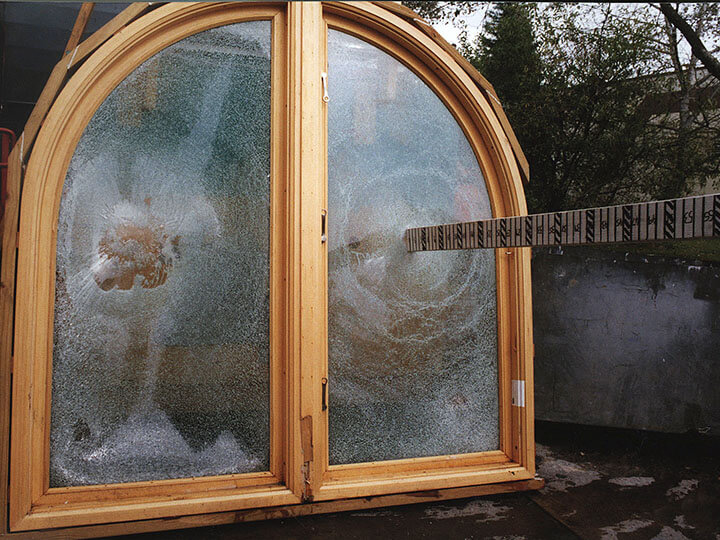
Fenestration Testing Services
Fenestration Testing and Certification for everything from residential vinyl, aluminum, wood and fiberglass windows, commercial curtain walls, roll up doors and garage doors, and window wall systems.

Intertek Academy | AIA-Approved Continuing Education Courses
Intertek Building & Construction is an approved American Institute of Architects (AIA) Continuing Education System provider offering on-demand AIA continuing education courses for architects, engineers, and construction professionals through Intertek Academy.