
From Industrial Robots to Everyday Life: My Journey into Service Robots – Part 4
30 Mar 2026
When Robots Enter the Real World: Safety, Buildings, and Everyday Challenges
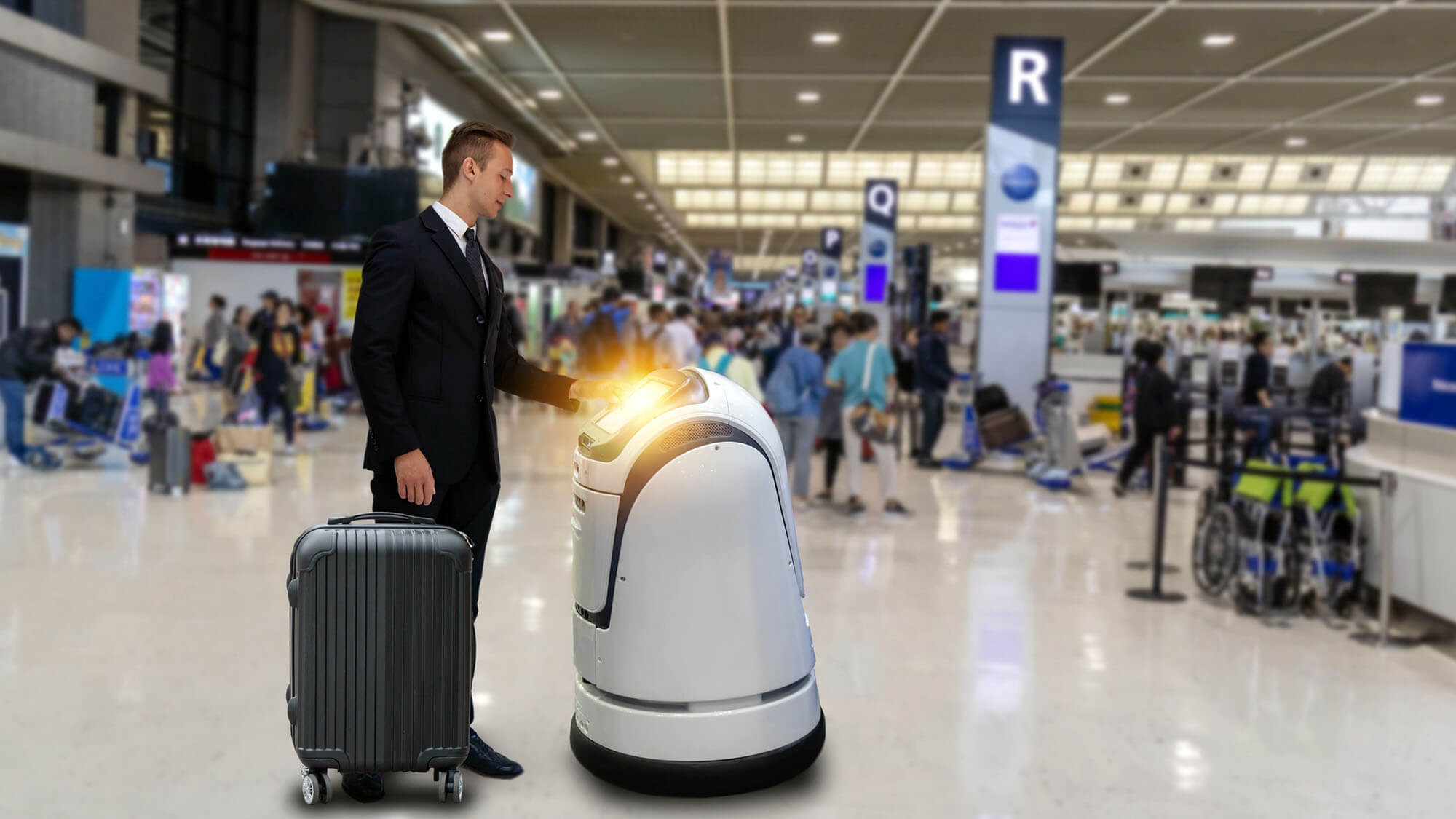
Seeing a service robot working smoothly in a restaurant or hotel can make you think the job is easy. After all, the robot just moves around, delivers things, and avoids people. But once a robot leaves the test lab and enters the real world, a whole new set of challenges appears that designers, manufacturers, and safety engineers think about constantly.
Why?
Because life outside the lab does not follow rules.
In a controlled environment, everything is predictable: clean floors, good lighting, no sudden surprises. But in a real building, anything can happen. A child runs across the hallway. Someone spills a drink. A deliveryman pushes a trolley around a blind corner. A group of people walk together and block the path. An elderly guest stands still longer than expected. The Wi-Fi drops for a moment. Even a small change in the environment can completely change how the robot needs to behave.
This is why designing a safe service robot is much more than making it move correctly. It is about preparing it for all the little unpredictable things that humans and buildings throw at it.
Take homes, for example. They are some of the most challenging environments. Children touch robots without thinking. Pets lie in front of them. Elderly users may lean on them for balance. Furniture moves around constantly. A robot in a home must keep its speed under control, stop calmly, avoid sudden movements, and always be ready for unexpected interactions. In many ways, being safe around children and older adults is one of the biggest design challenges.
Battery and electrical safety are also huge concerns. A service robot carries a lot of electronics and a powerful battery. It must stay safe even if someone bumps into it, cleans it with a damp cloth, leaves it charging too long, or blocks a vent by accident. Overheating, short circuits, and electrical faults are not things people think about when they see a cute robot in a corridor, but designers, manufacturers and safety engineers think about them constantly.
Then there is what happens inside the robot when something goes wrong. Sensors can fail. Software can freeze. A navigation map can become outdated. A camera might get covered by someone’s hand or dust. A safe robot must respond calmly, not unpredictably. It should slow down, pause, or stop rather than guessing what to do. This idea “fail safely” is one of the foundations of service robot safety.
But the challenges do not stop with people. Modern buildings create their own complications. Many robots today can call lifts, ride between floors, open automatic doors, and communicate with building systems. That is amazing when everything works normally, but what about emergencies? Imagine a fire alarm going off and people rushing toward exits. A robot that stops in the wrong place could block an escape route. A robot waiting for a lift might delay evacuation. Even a small obstacle becomes serious when people are trying to move quickly.
This means robots need rules and behaviours for emergency situations too. They may need to move aside, park safely, or simply freeze in a way that does not block anyone. These details may sound small, but they are vital for real-world environment.
Artificial intelligence (AI) and cybersecurity add another layer of complexity. AI helps robots navigate and interpret their surroundings, but AI is not always predictable. Changes in lighting, crowded areas, strange objects – these can all affect how AI responds. Designers must make sure AI never overrides safety. And if the robot connects to Wi-Fi or cloud services, cybersecurity becomes part of safety as well. A robot must ignore suspicious commands and protect itself from unwanted interference. A hacked robot is not just a privacy problem, it is a safety risk.
So, while a service robot may look simple from the outside, there are countless challenges behind the scenes. Designers must imagine every possible scenario. Manufacturers must build robots that stay safe throughout their entire life. Certification bodies must test them in ways that reflect real human behaviour, not just perfect conditions.
And when all of that works together, something special happens as people begin to trust the robot. They feel comfortable walking around it. They don’t worry about what it might do. They treat it as part of the environment.
That trust is not automatic, it is earned, through careful design and thoughtful safety work.
In the next blog of this series, I will share some thoughts about humanoid robots, a rapidly growing area that brings even more interesting challenges and opportunities.

You may be interested in...
Robots & Robotic Testing and Certification Solutions
From collaborative robots in the automotive industry, to autonomous mobile storage for the retail industry, to robotic personal assistants in your day-to-day activities, Intertek supports the robotic industry across the new industrial revolution.