GLP-1 Receptor Agonists: Market Momentum and the Critical Role of Analytics in Development and Bioequivalence
08 May 2026
The science, market drivers and analytical challenges shaping GLP-1 therapies
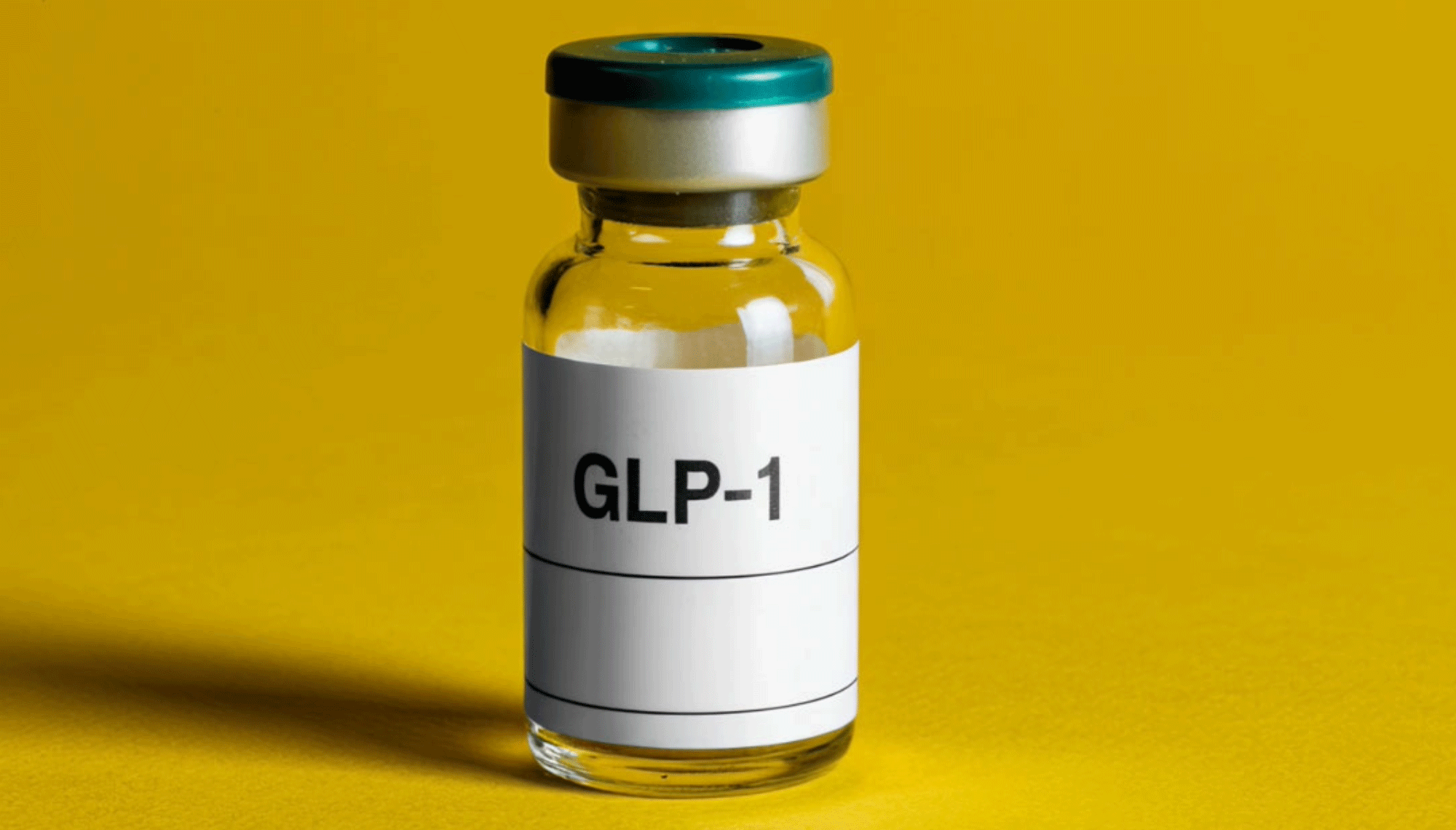
Glucagon-like peptide-1 (GLP-1) receptor agonists have rapidly emerged as one of the most transformative classes of therapeutics in modern pharmaceutical development. Originally developed for the treatment of type 2 diabetes, these peptide-based drugs are now at the forefront of both metabolic disease management and obesity treatment, driving unprecedented market growth and industry attention.
What are GLP-1 Receptor Agonists?
GLP-1 receptor agonists are peptide therapeutics designed to mimic the action of the endogenous hormone GLP-1, an incretin, which signals the pancreas to release insulin in response to food intake. Physiologically, GLP-1 plays a central role in glucose homeostasis by stimulating insulin secretion, suppressing glucagon release, slowing gastric emptying, and promoting satiety. The most recently marketed Tirzepatide targets not only the GLP-1 receptors, but also the Glucose-dependent Insulinotropic Polypeptide (GIP) receptors, which have similar important functions in blood glucose regulation.
In patients with type 2 diabetes - characterized by insulin resistance and insufficient insulin production - regulation is impaired, leading to chronic hyperglycemia. GLP-1 receptor agonists restore this balance by enhancing insulin response in a glucose-dependent manner while also addressing appetite regulation. This dual mechanism explains their effectiveness not only in glycemic control but also in weight management.
Why are GLP-1 Therapies a Hot Topic?
The surge in interest around GLP-1 receptor agonists is driven by both clinical impact and market dynamics. With obesity and type 2 diabetes reaching global epidemic levels at an accelerating rate, there is a significant unmet medical need for effective, scalable treatments. GLP-1 therapies—such as semaglutide and newer dual agonists like tirzepatide—have demonstrated substantial weight loss and metabolic benefits, far exceeding traditional therapies and supporting patients in diet and lifestyle changes.
This clinical success has translated into major commercial growth. The GLP-1 market, valued at approximately $30 billion in 2018, is projected to expand dramatically over the next decade, with several of the world’s top-selling drugs now belonging to this class. Key pharma players dominate the landscape, while a wave of biosimilar and next-generation peptide developers are entering the space ahead of patent expirations.
As patents for major peptide drugs (e.g., GLP-1 analogs) begin to expire, opportunities for generics and biosimilars increase. Patent protection for semaglutide for example is beginning to expire for some indications in several of the world’s most populous countries. While semaglutide will remain under patent in many regions until the early 2030s, the first generic versions are expected to launch in India imminently, with additional market entries anticipated in China, Canada, Brazil, Turkey, and South Africa in the months that follow.
Analytical Challenges in GLP-1 Development
Despite their success, GLP-1 receptor agonists present significant analytical and development challenges. As peptides, they are structurally complex with modifications such as fatty acid side chains used to extend half-life and improve pharmacokinetics. These structural features, while beneficial therapeutically, complicate analytical workflows.
Peptide mapping, for example, may require alternative enzymatic strategies due to steric hindrance from structural modifications. Additionally, these molecules often exist as higher-order aggregates (e.g., multimers), rather than simple monomers, necessitating advanced characterisation.
Key Analytical Requirements
Robust analytical strategies are essential to support both innovator development and biosimilar or generic entry. Core analytical requirements include:
- Primary structure confirmation using LC-MS/MS to verify intact mass, sequence integrity and detect modifications
- Impurity profiling (e.g., sequence variants, degradation products) using high-resolution techniques such as UHPLC-HRMS
- Aggregation and molecular weight analysis using orthogonal methods like SEC-MALS and sedimentation velocity analytical ultracentrifugation (SV-AUC). The use of Asymmetric Flow Field-Flow Fractionation (AF4) – MALS is also well-suited to GLP-1 analogues, that often exist as different multimers in a reversible equilibrium.
- Higher-order structure characterisation through techniques such as NMR, circular dichroism (CD), and FTIR
- Stability studies to assess degradation pathways including oxidation, deamidation, and oligomerisation
Importantly, formulation components can interfere with detection (e.g., UV-active excipients), requiring careful method design and sample preparation strategies such as buffer exchange.
Bioequivalence and Biosimilar Considerations
As patents begin to expire, demonstrating bioequivalence or biosimilarity for GLP-1 therapies is a key focus. This requires comprehensive comparability studies against the reference listed drug (RLD), encompassing physicochemical, structural, and biological attributes.
Given the complexity of these peptides, bioequivalence cannot rely solely on pharmacokinetic data. Instead, a totality-of-evidence approach is required, supported by highly sensitive and orthogonal analytical methods to ensure equivalence in quality, safety, and efficacy.
Conclusion
GLP-1 receptor agonists represent a paradigm shift in the treatment of metabolic diseases, combining strong clinical outcomes with significant commercial opportunity. However, their complexity demands equally sophisticated analytical and development strategies. For pharma organisations, success in this space will depend on leveraging advanced analytical capabilities to support innovation, ensure regulatory compliance, and enable competitive entry in an increasingly dynamic market.
If you would like to find out more on this topic please find us online:
Peptide Characterisation Supporting Peptide Drug Development - Peptide Characterisation Supporting Peptide Drug Development
Semaglutide Formulation for Soft Mist Inhaler Delivery - Semaglutide Formulation for Soft Mist Inhaler Delivery