GLP-1 Peptide Therapeutics: From Metabolic Breakthrough to Multi-Disease Potential
14 May 2026
How GLP-1 Therapies Are Evolving into a Multi-Indication Platform
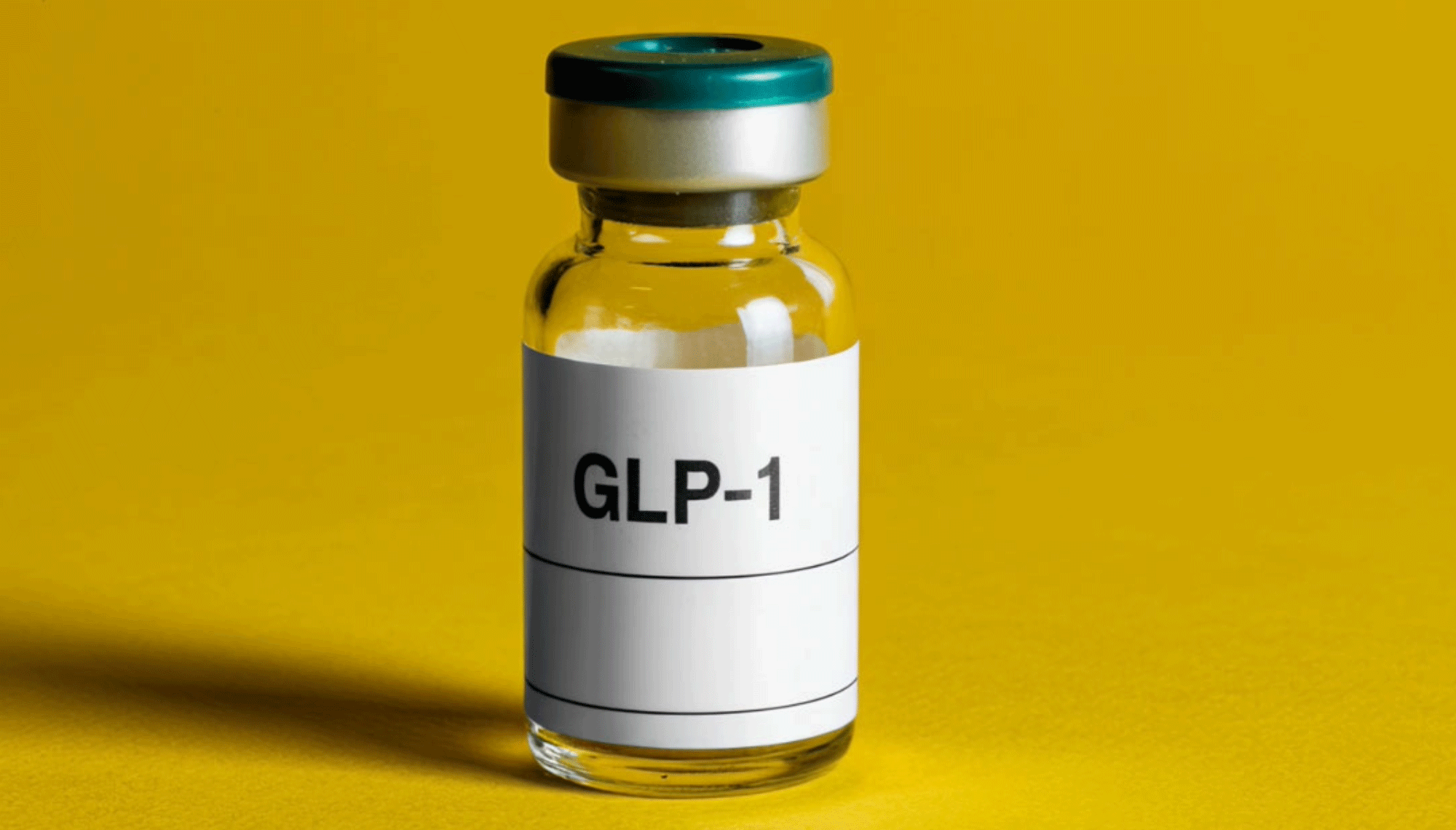
Glucagon-like peptide-1 (GLP-1) is a naturally occurring peptide hormone released in the gut after eating, where it plays a central role in regulating blood glucose levels and appetite. It enhances insulin secretion, suppresses glucagon, slows gastric emptying, and promotes satiety - making it a powerful regulator of metabolic balance. GLP-1 receptor agonists (GLP-1 RAs), synthetic versions engineered for longer activity, have transformed the treatment of type 2 diabetes and obesity, with blockbuster drugs such as semaglutide and tirzepatide demonstrating unprecedented efficacy.
However, what began as a metabolic therapy is rapidly evolving into one of the most promising classes of peptide therapeutics across multiple disease areas.
The Rise of GLP-1 Therapeutics
Native GLP-1 has a very short half-life (just minutes) due to rapid enzymatic degradation. Modern GLP-1 drugs overcome this limitation through formulation optimization and/or structural modifications that extend stability and enable once-daily or even once-weekly dosing. These advances have driven widespread adoption in metabolic disease, where GLP-1 RAs improve glycaemic control, support significant weight loss, and reduce cardiovascular risk.
Their success has also catalysed innovation in peptide drug design more broadly. As a class, peptide therapeutics offer high specificity, relatively low toxicity, and the ability to mimic endogenous biological pathways, advantages that are increasingly attractive in complex chronic diseases.
Beyond Diabetes and Weight Loss
The next generation of GLP-1 therapeutics is expected to expand far beyond traditional metabolic indications. A growing body of research suggests these drugs exert systemic effects, including anti-inflammatory activity, neuroprotection, and cardiovascular benefits. Recent reviews highlight their potential across conditions ranging from neurodegenerative diseases to musculoskeletal and cardiovascular disorders.
One of the most exciting frontiers is neurology, particularly Alzheimer’s disease. GLP-1 receptors are expressed throughout the brain, and preclinical evidence indicates that GLP-1 receptor agonists can reduce neuronal damage, improve synaptic function, and counter oxidative stress. Observational studies suggest an association between GLP-1 use and reduced dementia risk.
Clinical evidence is still emerging. Research highlighted by Imperial College London shows mixed but intriguing results: while some trials have not met primary endpoints, others demonstrate signals such as reduced brain shrinkage and slower cognitive decline. Importantly, experts caution that GLP-1 drugs are not yet approved for neurodegenerative diseases, and further large-scale trials are needed to confirm efficacy.
Nonetheless, the concept is compelling. Unlike many targeted therapies, GLP-1 drugs appear to act on multiple disease pathways simultaneously-including inflammation, metabolic dysfunction, and cellular stress-making them attractive candidates for complex, multifactorial diseases like Alzheimer’s. Neurodegenerative therapies have historically been met with challenges during development, so it’s exciting to see potential in this area for GLP-1 analogues.
A Platform for Multi-Indication Drug Development
The broader implication is that GLP-1 therapeutics may represent a platform technology rather than a single-indication drug class. Their effects, spanning metabolic, cardiovascular, and neurological systems, open the door to treating diseases that share underlying biological mechanisms.
This paradigm shift is already influencing drug development pipelines. Combination therapies (e.g., GLP-1 with GIP or glucagon receptor agonists) and next-generation analogues are being designed to enhance efficacy, tissue targeting, and tolerability. As understanding of GLP-1 biology deepens, so too does the potential to tailor therapies for specific disease pathways.
The Critical Role of Analytical Studies in Biosimilar Success
As patents begin to expire in various regions, the development of GLP-1 biosimilars is accelerating. However, unlike small molecules, peptide therapeutics are structurally complex and highly sensitive to manufacturing conditions. Even minor variations can impact efficacy, stability, or immunogenicity.
This makes rigorous analytical characterisation essential. Biosimilar developers must demonstrate comparability across multiple dimensions, including primary sequence, higher-order structure, aggregation, impurity profiles, and biological activity. Advanced analytical techniques - such as mass spectrometry, peptide mapping, circular dichroism, and bioassays - are required to ensure that a biosimilar matches the reference product as closely as possible.
Moreover, because GLP-1 drugs often rely on specific modifications to extend half-life or alter receptor binding, analytical studies must also confirm the integrity and consistency of these engineered features. Regulatory success depends not only on clinical performance but on a comprehensive analytical package that establishes structural and functional equivalence.
In this context, analytical science is not a supporting function, it is central to enabling safe, effective, and scalable access to next-generation GLP-1 therapies.
Looking Ahead
GLP-1 peptide therapeutics have already reshaped the treatment landscape for diabetes and obesity. The next decade will likely see them expand into entirely new therapeutic areas, from neurodegeneration to inflammatory disease.
While challenges remain, particularly in clinical validation and biosimilar development, the trajectory is clear. GLP-1 drugs are evolving from metabolic treatments into a versatile, multi-system therapeutic platform, with the potential to address some of the most complex diseases of our time.
If you would like to find out more on this topic please find us online:
Peptide Characterisation Supporting Peptide Drug Development - Peptide Characterisation Supporting Peptide Drug Development
Semaglutide Formulation for Soft Mist Inhaler Delivery - Semaglutide Formulation for Soft Mist Inhaler Delivery