
Choosing the Right NFRC Certification Path in 2026

26 Jun 2026
How Manufacturers and Project Teams Can Prepare for NFRC 700 and NFRC 715 Updates
Energy performance documentation has long been part of fenestration planning, but 2026 NFRC program updates make it important to confirm which certification route applies before evaluations, labeling, submittals, or code review begin.
The National Fenestration Rating Council (NFRC) administers certification programs for the energy performance of windows, doors, skylights, curtain walls, and other fenestration products. These ratings help manufacturers, glazing contractors, architects, code officials, and project teams compare products, verify performance, and respond to code and specification requirements.
For 2026, residential product lines continue through NFRC 700, the Product Certification Program. Commercial products and custom commercial applications follow NFRC 715, the Commercial Energy Performance Certification Program: Products & Projects. Choosing the correct path early can help teams identify which ratings apply and reduce documentation issues later in the schedule.
Residential Products Follow NFRC 700
NFRC 700 applies to residential fenestration products that need certified energy performance ratings. This typically includes windows, doors, skylights, and related products used in detached one-and two-family houses, manufactured housing, and multifamily structures not more than four stories above grade.
The NFRC 700 Product Certification Program is used to obtain temporary or permanent NFRC labels. Certified products are listed in the NFRC Certified Products Directory, and product lines follow a five-year certification cycle with required retesting.
The process uses computer simulation and physical testing to establish product ratings. Simulations support U-factor, solar heat gain coefficient, visible transmittance, and condensation index. Physical testing is also part of the program, including simulation validation and air leakage evaluation.
One 2026 change involves LEAFF, which stands for Linear Energy Analysis for Fenestration. LEAFF is a regression line methodology used for product certification. As of Jan. 1, 2026, product line recertifications must use the LEAFF method. New product lines must use LEAFF beginning Oct. 1, 2026.
Commercial Products Follow NFRC 715
NFRC 715 applies to commercial fenestration products and projects. NFRC identifies two commercial certification paths: the Standard Product Path and the Custom Path.
The Standard Product Path applies to commercial product lines that may be used across multiple projects. Products are listed in the Commercial Trendline Approach Directory, known as CTAD, and ratings are developed through commercial simulations and applicable physical testing.
The Custom Path applies to project-specific commercial conditions. This route is designed for nonstandard assemblies that are not feasible to test physically when a unique fenestration system is designed for a specific building. It may apply to custom curtain wall, storefront, window wall, doors, skylights, or mixed fenestration assemblies that do not fit a standard product-line model.
Where Project Certification Can Help
The NFRC 715 Custom Project Path can help teams rate one-off commercial configurations through certification tied to a specific address. Under this path, the building area or areas to be analyzed are identified early. Calculations can be performed at the project size or NFRC standard size and may be rated in combination using area-weighted calculations.
The Custom Project Path uses simulation only. NFRC 102 physical testing is not required under this route. Project-specific label certificates do not expire, but they are unique to the project and cannot be reused for another building.
A certificate that supports one address is not the same as reusable product certification. Teams should confirm how the certificate will be used in submittals, specifications, code review, and closeout documentation before the rating process begins.
What to Review Before Starting
The right certification path depends on the product, building type, configuration, and intended use of the rating.
Teams should gather key information early, including the product type, building type, project address, framing system, glazing makeup, fixed and operable configurations, performance targets, specifications, and label certificate needs.
Commercial teams should also be aware that NFRC is sunsetting site-built label certificates as of May 29, 2026. Projects that used that route may need to review whether NFRC 715 product certification or project certification now applies.
Supporting NFRC Certification and Documentation
Intertek supports fenestration manufacturers and project teams with testing, simulation, and certification services tied to NFRC procedures. This includes U-factor, solar heat gain coefficient, visible transmittance, air leakage, condensation index, and related fenestration performance documentation.
As the NFRC process changes, Intertek can help clients identify which program applies, prepare required information, complete simulations and testing where required, and develop documentation for certification and labeling.
For residential product lines, commercial standard systems, or custom commercial projects, Intertek can help align the certification path with the documentation needed for code review, specification support, and market acceptance.

You may be interested in...
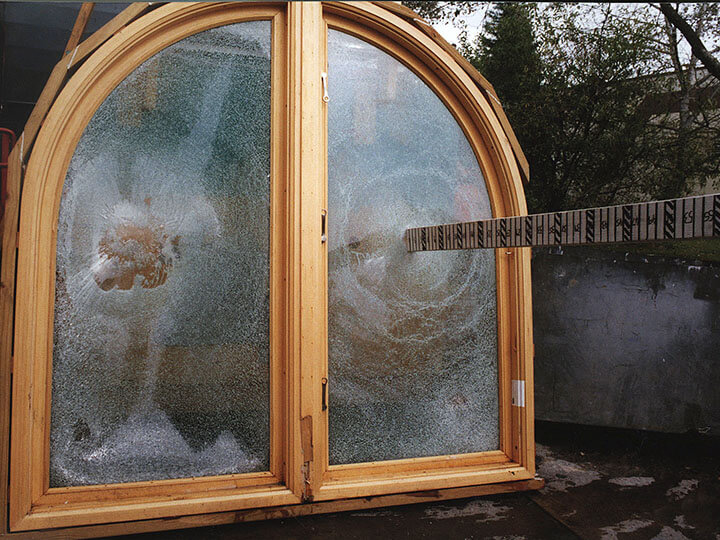
Fenestration Testing Services
Fenestration Testing and Certification for everything from residential vinyl, aluminum, wood and fiberglass windows, commercial curtain walls, roll up doors and garage doors, and window wall systems.
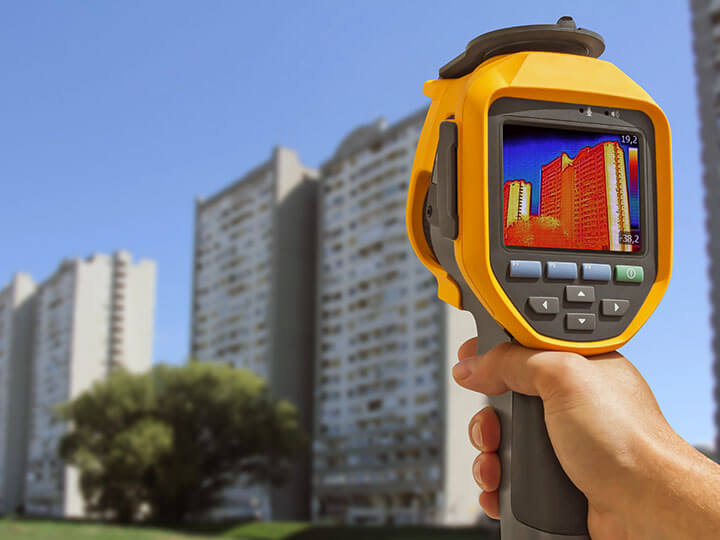
Thermal Conductivity, Thermal Resistance | Thermal Testing
Regulate the energy performance of your building materials, products, and systems with precision thermal conductivity and resistance testing and NFRC Product Certification solutions.