
UL 60335-2-40 Ed. 4.1: What HVAC Manufacturers Need to Know About Annex LL
11 Nov 2026
New Refrigerant Detection System Requirements Could Impact Testing and Existing Certifications
As HVAC manufacturers continue adopting lower-GWP and flammable refrigerants, refrigerant detection systems (RDS) are becoming an important part of product safety. These systems detect refrigerant concentrations and can initiate mitigation measures when a specified detection threshold is exceeded.
To support the safe use of refrigerant detection systems, Annex LL of UL 60335-2-40 includes specific requirements for evaluating RDS and refrigerant sensors.
Recent revisions to the standard introduce several changes that HVAC/R manufacturers and refrigerant detection system suppliers should understand. UL 60335-2-40:2025 Ed. 4.1 includes new and revised testing requirements that may affect testing programs, sample quantities, and existing ETL certifications.
What’s Changing in Annex LL?
The latest edition introduces several significant changes to how refrigerant detection systems and sensors are evaluated.
New Warm-Up Time Testing
Ed. 4.1 introduces a new warm-up time test under LL.2.5DV.
The sensor is first allowed to sit in clean air before being exposed to a specified concentration of test gas. Then the sensor is energized, and the time it takes to detect the presence of gas is recorded as the warm-up time.
Long-Term Stability Is Replaced by Drift Testing
One of the most notable changes is the replacement of the previous LL.7DV Long-Term Stability test with a new Drift test.
The revised approach evaluates whether a refrigerant sensor becomes less sensitive over its declared service life. Manufacturers will need to determine whether their sensor is subject to Method 1 or Method 2, depending on its ability to monitor its own drift.
The two methods also have different sample requirements, making it important for manufacturers to determine the appropriate approach before testing begins.
Updated Sample Requirements
Ed. 4.1 also changes the number of samples required for several Annex LL tests.
Depending on the test, manufacturers may need additional samples compared with previous requirements. The Drift test can require four modified samples under Method 1 or a minimum of 15 samples under baseline conditions plus 15 samples for each applied stress under Method 2.
Understanding sample requirements early can help manufacturers avoid unnecessary delays and better plan their certification projects.
Changes to Oil Spray and Other Tests
Additional revisions clarify requirements for oil spray testing, humidity testing, electromagnetic compatibility and limited-life sensors.
For example, the revised oil spray requirements provide additional guidance on refrigerant and oil combinations, including the selection of a worst-case oil. The EMC requirements now provide additional flexibility by allowing samples to be powered down between EMI and gas testing.
A new system response test has also been added for limited-life sensors evaluated using the Drift Method 2 approach.
What Does This Mean for Existing Certifications?
The changes to Annex LL may affect existing ETL certifications.
Existing certifications should be reviewed to determine whether the required testing and sample quantities have been addressed under the updated requirements. In particular, the new Drift test represents a significant change and may require existing certifications to be updated using the applicable Method 1 or Method 2 approach.
Product revisions can also introduce additional testing requirements. Products currently recognized to the previous edition may need to be evaluated against applicable Ed. 4.1 clauses that have not already been addressed.
For manufacturers using recognized refrigerant sensors within an RDS, the status of the sensor recognition should also be considered when determining the appropriate certification path.
Prepare for Changes to Refrigerant Detection Testing
As requirements for HVAC equipment using flammable refrigerants continue to evolve, manufacturers need to understand how changes to refrigerant detection system requirements could affect product development and certification.
Planning ahead can help manufacturers:
- Identify applicable Annex LL requirements
- Determine the appropriate Drift test method
- Understand sample requirements
- Evaluate existing ETL certifications
- Identify potential additional testing
- Reduce delays during certification and product updates
Intertek is moving forward with testing according to UL 60335-2-40:2025 Ed. 4.1 Annex LL and can help manufacturers understand how the revised requirements apply to their refrigerant detection systems and HVAC/R products.

You may be interested in...
Stay Ahead of Annex LL Changes
Understanding the latest requirements can help manufacturers make informed decisions about product design, testing and certification.
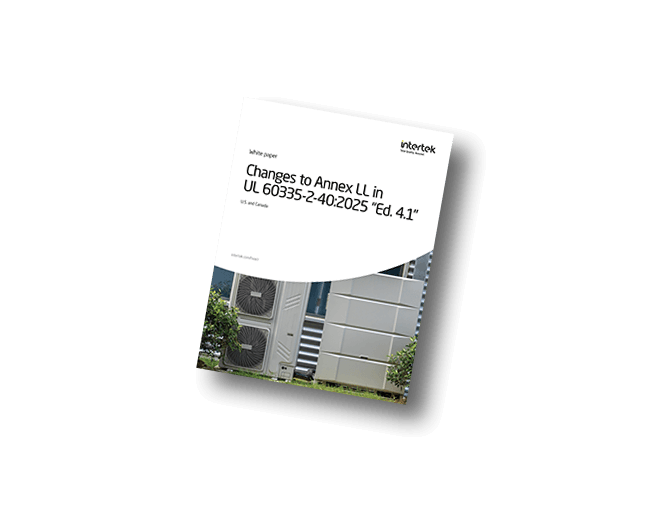
Download Intertek’s white paper, “Changes to Annex LL in UL 60335-2-40:2025 Ed. 4.1,” to learn more about the updated requirements and their potential impact on refrigerant detection system testing and existing ETL certifications.

Refrigerant Leak Detection Systems
HVAC and Refrigeration appliances that utilize a flammable refrigerant classified A2, A2L, or A3 may require Refrigerant Detection to meet installation code requirements.