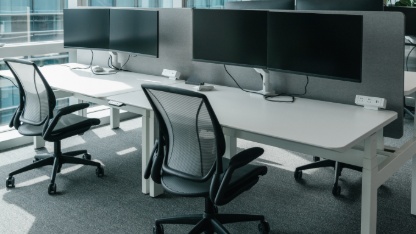
Long-term structural stability is essential for safe and reliable furniture performance. This feature ensures that frames, joints, and support surfaces maintain their integrity under repetitive dynamic loading, providing a benchmark for high-performance functionality.
The Science of Dynamic Load Distribution
In the furniture industry, strength is the measure of a product's "fatigue resistance" and "joint tenacity." Unlike a static load (simply holding weight), Dynamic Strength addresses the kinetic energy of human movement. For seating, this involves the ability of the seat-to-back connection to absorb the force of a user leaning back thousands of times. For tables, it focuses on "lateral stability"—the ability of the legs and fasteners to resist the "racking" or swaying forces caused by horizontal pressure. High-performance furniture utilizes reinforced mortise-and-tenon joints, high-tensile steel fasteners, or specialized cross-bracing to ensure that the piece remains silent, stable, and rigid throughout its entire lifecycle.
Validation through the High Performance Mark
By meeting rigorous technical benchmarks, your furniture products become eligible for the Intertek High Performance (HP) Mark’s Strength. We make use of EN 1728 to assess Seating and EN 1730 to assess Tables. For our mark, both the test load and the number of cycles applied are 25% higher than those required in the standard, for a higher level of confidence in the strength of the products.
This mark serves as a ‘proof of performance’ by validating that your product meets the High-Performance Mark standards for both seating and tables. You can display the mark on product tags, brochures, and digital channels to confidently signal to consumers and commercial buyers that the structural integrity of your products is verified for long-term use.