Understanding ECE Regulation 10 and E-Mark EMC Requirements | Webinar
Learn what UNECE Regulation 10 means for automotive electronic subassemblies, EMC testing, E-Mark type approval, REESS requirements, and documentation for compliance
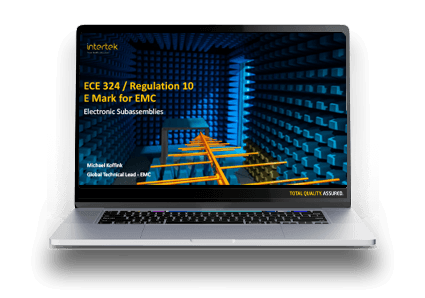
As vehicles become more electronically complex, electromagnetic compatibility is no longer a final checkbox. It is a critical part of product development, regulatory approval, and market access for automotive electronic subassemblies.
In this on-demand webinar, Michael Koffink, Global Technical Lead for EMC at Intertek, explains how ECE 324 / UN Regulation No. 10 applies to automotive electronic subassemblies, commonly referred to as ESAs, and what manufacturers need to understand when preparing products for E-Mark type approval. The presentation focuses on the practical requirements behind Regulation 10, including applicability, test methods, documentation expectations, and special considerations for rechargeable energy storage systems.
What Is ECE Regulation 10?
UN Regulation No. 10 is the regulatory framework for electromagnetic compatibility approval of vehicles and electrical or electronic subassemblies. It addresses both emissions and immunity performance, helping confirm that vehicle electronics do not create unacceptable electromagnetic interference and can continue to operate safely when exposed to electromagnetic disturbances.
In the automotive industry, it is often shortened to R10 or Reg 10. For electronic subassemblies, the regulation is commonly tied to E-Mark approval, which is required for many aftermarket and vehicle-installed electronic products entering the EU and other markets that recognize UNECE type approval. Unlike CE self-declaration, E-Mark approval generally involves a type approval authority and supporting technical documentation.
What You Will Learn
This webinar provides a practical overview of how Regulation 10 applies to automotive electronics, with a focus on ESAs rather than full-vehicle approval.
Key topics include:
- What the E-Mark is and how it differs from CE marking
- Why Regulation 10 matters for automotive EMC compliance
- How to determine whether Regulation 10 applies to your product
- What qualifies as an electronic subassembly under the regulation
- How “immunity function” affects applicability decisions
- When EN 50498 may apply instead of full E-Mark type approval
- Required EMC test areas, including radiated emissions, radiated immunity, conducted transient immunity, and conducted transient emissions
- How standards such as CISPR 25, ISO 11452, and ISO 7637-2 are used within the testing process
- Special provisions for REESS devices and onboard EV charging systems
- Documentation, quality system, and conformity of production expectations for type approval
Why This Webinar is Important
Regulation 10 can affect product design, test planning, approval timing, and market access. Understanding the requirements early can help teams avoid late-stage surprises, incomplete test programs, or incorrect assumptions about whether a product requires E-Mark approval.
This presentation is especially useful for companies developing or supplying automotive electronics, aftermarket vehicle products, EV-related systems, onboard charging equipment, or other vehicle-connected electrical and electronic components.
Get Immediate On-Demand Access
Complete the registration form to watch the full webinar now and learn how ECE Regulation 10 applies to automotive electronic subassemblies, E-Mark approval, EMC testing, and related documentation requirements.
Complete the form below for immediate on-demand access.
Related Links
You may be interested in...
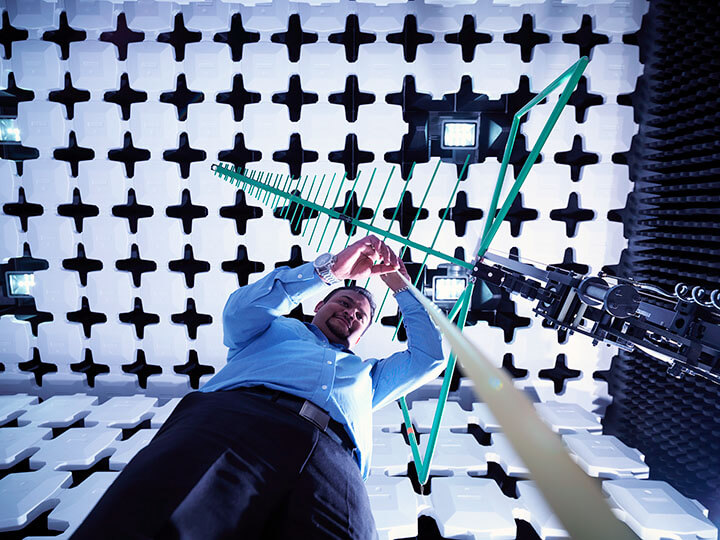
Automotive Electrical and EMC Testing
Meet OEM and Supplier Standards and Specifications for Component Quality and Performance with Automotive Electrical and EMC Testing.