Project-specific geotechnical support from site investigation through construction.
Intertek-PSI provides foundation design, analysis, inspection and testing services for building and infrastructure projects. Geotechnical engineers evaluate subsurface conditions in relation to project load-bearing requirements using subsurface exploration, geotechnical studies, load testing and engineering analysis.
The team works with structural engineers and designers to understand how project loads will transfer through the structure and into the foundation. This coordination supports the development of geotechnical design parameters, foundation recommendations and construction considerations based on the proposed project and site conditions.
Foundation Design and Analysis for Building and Infrastructure Projects
Foundations transfer structural loads into the supporting soil or rock. Intertek evaluates subsurface conditions in relation to the proposed structure and its load-bearing requirements.
Geotechnical engineers use information from site characterization, drilling, sampling, in-situ testing, groundwater monitoring, laboratory testing, load testing and engineering analysis to develop foundation recommendations and geotechnical design parameters.
Common project considerations may include:
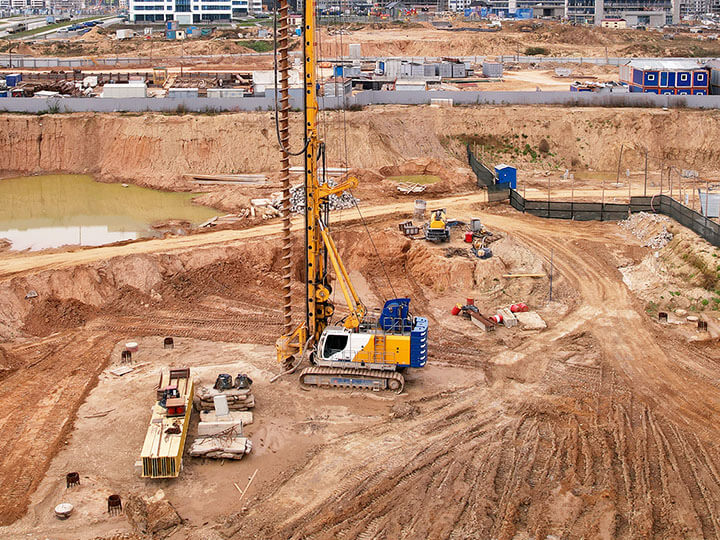
- Shallow or deep foundation support
- Soil, rock and groundwater conditions
- Site preparation and ground improvement
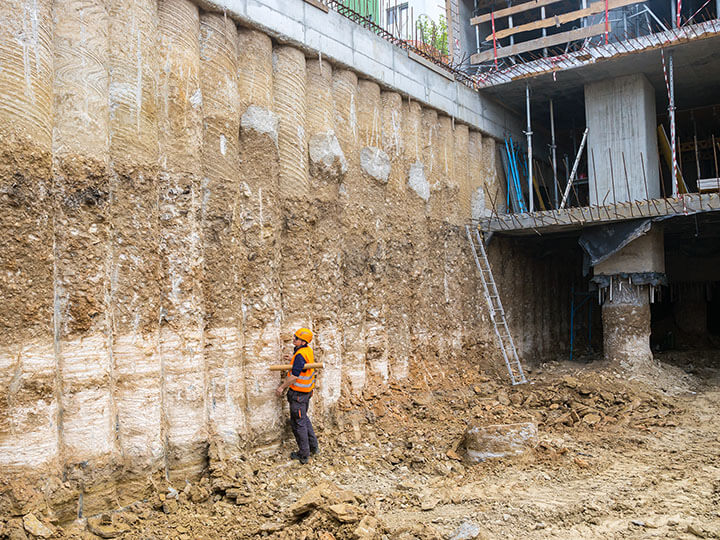
- Temporary and permanent retention systems
- Deep excavations and shoring
- Pavement structures
- Foundation inspection and testing requirements
The services selected depend on the proposed structure, site conditions, design stage and engineering questions to be addressed.
The Role of Subsurface Conditions in Foundation Design
The soil, rock and groundwater beneath a site affect how project loads can be transferred and supported.
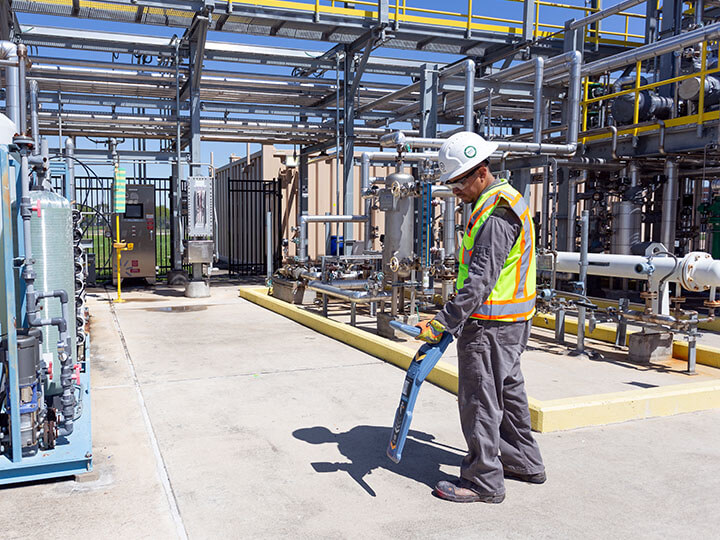
A subsurface investigation provides information about conditions at selected exploration locations. Intertek’s services may include site characterization, geophysical surveys, geotechnical drilling and sampling, in-situ testing, instrumentation, groundwater monitoring and laboratory testing.
The findings can inform decisions involving foundation type, site preparation, ground improvement, retention systems, excavation, shoring and pavement structures. They also provide a basis for identifying conditions that may require additional evaluation as design or construction advances.
Recommendations are based on the explorations completed, available project information and conditions identified during the investigation.
Intertek Foundation Design, Analysis and Testing Services
Foundation projects may require a combination of subsurface investigation, geotechnical engineering, field inspection and specialized testing. Intertek coordinates these services based on the foundation system, site conditions, project stage and engineering questions to be addressed.
| Service | Project Application |
| Site characterization | Evaluate soil, rock, groundwater and geologic conditions that may affect the project |
| Geophysical surveys | Gather additional subsurface information using methods selected for the site and project |
| Geotechnical drilling and sampling | Collect soil and rock information for classification, testing and engineering analysis |
| Geotechnical in-situ testing | Evaluate subsurface characteristics under field conditions |
| Geotechnical instrumentation | Collect measurements used to evaluate selected site or project conditions |
| Groundwater monitoring | Document groundwater conditions and changes at selected locations |
| Geotechnical laboratory testing | Measure soil and material characteristics used in engineering analysis |
| Dewatering concepts | Address groundwater considerations associated with excavation or construction |
| Subsoil modification and ground improvement | Evaluate methods for improving subsurface support conditions |
| Temporary and permanent retention systems | Address systems used to retain soil during or after construction |
| Shallow and deep foundations | Develop recommendations and geotechnical design parameters for foundation support |
| Deep excavations and shoring systems | Evaluate geotechnical conditions associated with excavation and support systems |
| Pavement structures | Develop recommendations based on subgrade and project conditions |
| Site investigation and evaluation | Review site conditions and project information for foundation analysis |
| Foundation inspections | Observe foundation conditions or installation activities within the project scope |
| Pile and pier integrity testing | Provide specialized testing for installed pile or pier elements |
| Dynamic pile-driving analysis | Evaluate pile-driving behavior using field measurements and engineering analysis |
| Pile load-test supervision | Support field testing of pile response under applied loads |
| Laterally loaded foundation analysis | Evaluate foundation response to lateral loads |
The appropriate combination of services depends on the foundation system, design stage, subsurface conditions, structural requirements and project scope.
Shallow and Deep Foundation Support
Shallow and deep foundation systems require different approaches to transferring structural loads into the supporting soil or rock. The appropriate approach depends on the proposed project, load-bearing requirements, subsurface conditions and design criteria.
The geotechnical team evaluates available structural and subsurface information to develop project-specific design parameters and recommendations. The analysis may also consider site preparation, ground improvement, retention systems, groundwater, excavations and construction conditions.
Intertek’s geotechnical staff has experience evaluating and inspecting shallow and deep foundation systems across a range of project types.
Ground Improvement and Subsoil Modification
Ground improvement modifies subsurface conditions to support project design and construction requirements.
The appropriate subsoil modification or ground improvement method depends on site conditions, project loads, construction requirements and the engineering objectives established for the project.
Intertek’s geotechnical team helps project teams assess how potential ground improvement methods relate to foundation support, site preparation and other design considerations. Detailed methods and performance requirements should be developed for the specific project.
Retention Systems, Excavations and Shoring
Temporary and permanent retention systems, deep excavations and shoring require careful consideration of conditions below and around the site.
The work may consider subsurface conditions, groundwater, proposed excavation depth, adjacent construction and other project information available within the scope of the evaluation.
Recommendations and design parameters should be coordinated with the structural engineer, civil engineer, contractor and specialty designers responsible for the final system and construction methods.
Groundwater Monitoring and Dewatering Considerations
Groundwater can influence subsurface investigation, excavation, retention systems, site preparation and foundation construction.
Groundwater observations may be collected during field exploration or through monitoring methods selected for the project. Intertek can also develop dewatering concepts based on the conditions and construction considerations identified.
Groundwater levels can change over time and may differ across a site. Findings and recommendations are based on observations collected at the locations and times included in the investigation.
Project-specific dewatering plans, temporary works and construction procedures may require coordination with the contractor and appropriate design professionals.
Foundation Inspection Services
Foundation inspections allow geotechnical engineers to review conditions exposed during construction and compare them with the conditions and assumptions used to develop project recommendations.
Intertek-PSI’s geotechnical staff has experience performing inspections for shallow and deep foundation systems. Depending on the assignment, the team may evaluate field conditions, document observations, respond to geotechnical questions and determine when additional investigation, testing or engineering analysis may be appropriate.
These observations provide additional information as excavation and construction expose a broader portion of the site.
Pile and Pier Integrity Testing
Pile and pier integrity testing can provide information about installed foundation elements.
The testing scope and method depend on the foundation system, construction method, project requirements and engineering questions to be addressed.
Intertek evaluates the results in conjunction with available foundation information, installation records, site conditions and other relevant project data.
Dynamic Pile-Driving Analysis
Dynamic pile-driving analysis uses field measurements and engineering analysis to evaluate pile-driving behavior.
The scope and method depend on the pile system, site conditions, installation equipment, project requirements and objectives established for the testing program.
Results are reviewed in relation to available foundation design information, subsurface conditions and field records.
Pile Load-Test Supervision
Pile load testing evaluates foundation response under applied loads. Intertek can supervise testing programs based on the foundation system, selected test method, site conditions, access, schedule and project requirements.
Test information may be reviewed with available design assumptions, subsurface conditions and installation records.
Laterally Loaded Foundation Analysis
Laterally loaded foundation analysis evaluates how a foundation may respond to lateral forces.
The analysis is developed around the foundation system, subsurface conditions, structural information and lateral-load requirements supplied for the project.
Recommendations and design parameters should be coordinated with the structural engineer and other professionals responsible for the final foundation design.
When to Begin Foundation Engineering
Foundation engineering should begin early enough for subsurface findings and load-bearing requirements to inform project planning and design.
Early site characterization and investigation can identify conditions that may affect foundation selection, site preparation, ground improvement, retention systems, excavations or pavement structures.
As structural information becomes available, the geotechnical team can evaluate project loads against subsurface conditions and develop design parameters and recommendations.
During construction, foundation inspections and specialized testing can provide additional information about exposed or installed conditions.
Foundation Design Parameters and Recommendations
Foundation design parameters and recommendations are developed using information from subsurface exploration, geotechnical studies, load testing and engineering analysis.
Depending on the project scope, these may address:
- Site and proposed construction information
- Soil, rock and groundwater conditions
- Shallow or deep foundation support
- Site preparation and ground improvement
- Temporary and permanent retention systems
- Deep excavations and shoring
- Pavement structures
- Foundation inspection and testing considerations
- General construction considerations
Findings and recommendations are based on the proposed project, available structural information and conditions identified through the investigation.
Construction-Phase Foundation Support
As foundation work progresses, construction-phase geotechnical support can help project teams evaluate exposed conditions, respond to field questions and address conditions that differ from those anticipated during design.
Services may include geotechnical consulting, foundation inspections, pile or pier integrity testing, dynamic pile-driving analysis and pile load-test supervision.
If field conditions differ from those anticipated, the geotechnical team can review available information and determine when additional investigation, testing or analysis may be appropriate.
Related construction materials testing and inspection services can also support coordination from subsurface investigation through construction.
Intertek's Geotechnical Engineering Services:
Frequently Asked Questions (FAQs) about Foundation Design and Analysis
A geotechnical engineer evaluates subsurface conditions in relation to the proposed structure and its load-bearing requirements. The work may include site investigation, laboratory and field testing, foundation analysis and the development of geotechnical design parameters and recommendations.
A shallow foundation transfers loads into supporting soil or rock relatively close to the ground surface. A deep foundation extends to greater depths to transfer loads through or beyond near-surface materials. The appropriate option depends on project loads, subsurface conditions and design requirements.
Foundation recommendations are based on the proposed structure, load-bearing requirements, soil and rock conditions, groundwater, site preparation, construction requirements and other project-specific information.
Yes. Intertek provides foundation inspections as part of its foundation analysis and testing services. Its geotechnical staff has experience with shallow and deep foundation systems. The team can also provide construction-phase geotechnical consulting and specialized testing as conditions are exposed and foundation work proceeds.
Integrity testing and load testing address different engineering questions. The appropriate test method depends on the foundation system, project requirements and objectives established for the testing program.
Yes. Dynamic pile-driving analysis is available as part of Intertek’s foundation analysis and testing services. The scope and method depend on the pile system, project conditions and testing objectives.
Yes. Intertek coordinates pile load-test supervision with the project team based on the selected testing method, foundation system and established project requirements.
Yes. The analysis is based on the foundation system, subsurface conditions, structural information and lateral-load requirements supplied for the project.
Why Work With Intertek for Foundation Design and Analysis?
Intertek combines subsurface investigation, geotechnical engineering, foundation design, inspection and specialized testing within a coordinated service network.
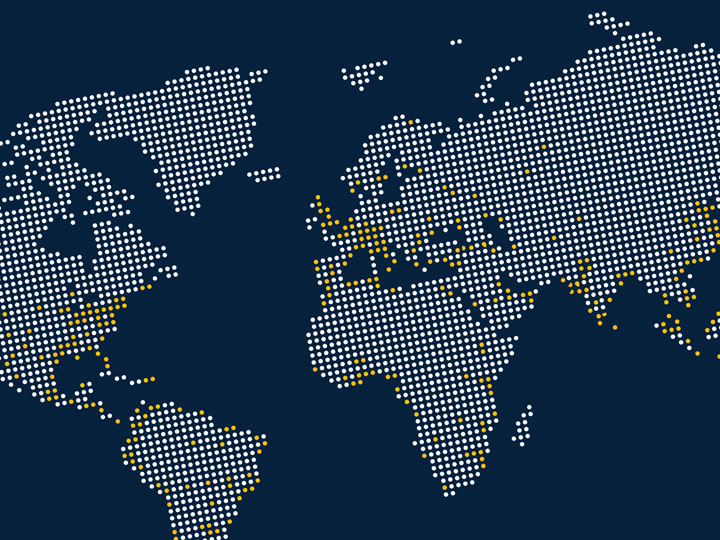
Project teams can draw on local knowledge and broader engineering, field, laboratory and testing resources based on the project’s scope and location.
Intertek’s geotechnical projects are overseen by a panel of regional chief engineers. Foundation recommendations consider technical performance, local standards, cost, reliability and value-engineering objectives.
Related Intertek Services
- Subsurface Investigations and Exploration
- Ground-Penetrating Radar Surveys
- Foundation Design and Analysis
- Construction Materials Testing and Inspection
- Environmental Consulting Solutions
- Geotechnical Engineering and Drilling
- Infrastructure Solutions
- Major Projects
- Intertek-PSI Locations
Contact an Intertek Foundation Engineering Specialist
Talk with Intertek about foundation design, foundation analysis, subsurface investigation, shallow or deep foundations, ground improvement, retention systems, foundation inspections, pile testing or construction-phase geotechnical support.


Knowledge Center
Building Health & Wellness: An Overview of Services
Acoustical Testing & Consulting Resources
Remote Pre Inspections for NFPA 80 / 101
Protek - Safety. Everywhere. Every Day
Fire Doors 101: Your Guide to Testing and Certification - Webinar Recording
Tornado Testing & Certification Requirements - Webinar Recording
Plumbing Products Testing & Certification - Webinar Recording
The Evolving Code Evaluation Process White Paper
Proposition 65 & the Furniture Industry Webinar Recording
Why Planning for FCC Certification is Key to Success in the Door Hardware Industry White Paper
Upcoming Tradeshows & Events
Resources
Building & Construction Geotechnical Engineering Services